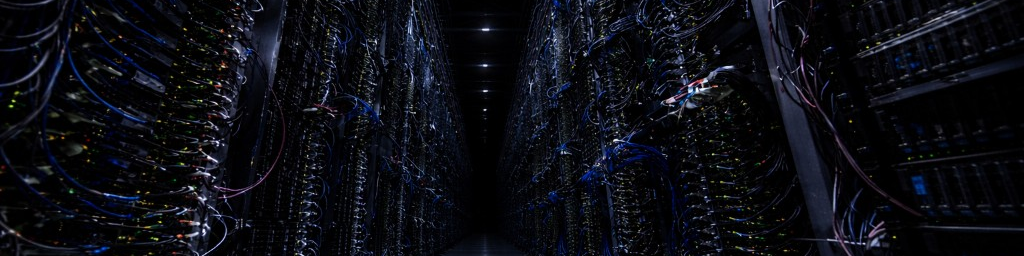

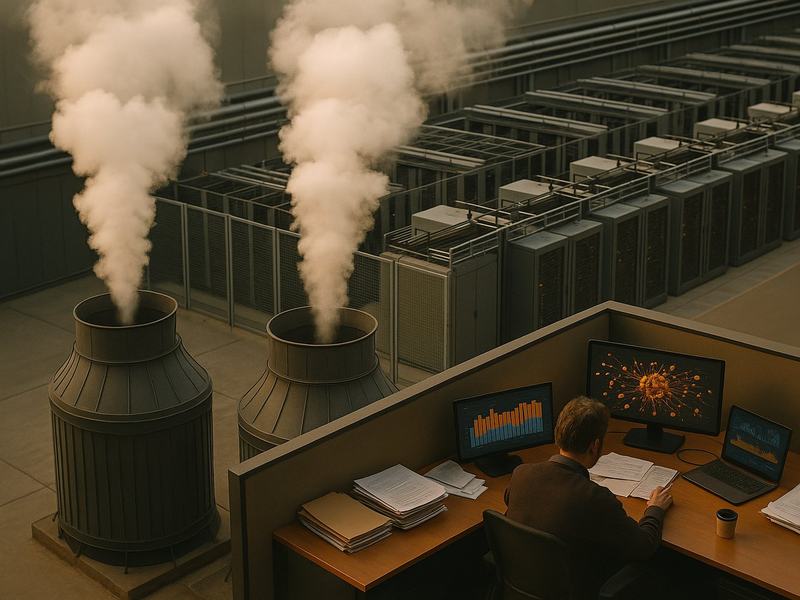
Data centers, those sprawling behemoths of technology, are consuming an increasingly alarming share of the world's electricity and resources. In a quiet but steady encroachment facilitated by the rise of AI technologies, these centers are not only devouring vast amounts of power but are also becoming focal points for severe environmental and societal disruptions.
As detailed in a recent report by the International Energy Agency, the energy demand from these data centers is expected to exceed 4.4% of global electricity supply within a decade. This surge is linked directly to the expansion of AI applications that require ever more computational power and data storage. From predictive policing to invasive corporate data harvesting, the implications stretch far and wide.
Critics argue that this growth is unsustainable. "We’re witnessing a voracious expansion in AI capabilities that's not just about processing power but a clear and present threat to our civil liberties," says Mira Rook, an independent tech analyst. "Every facial recognition scan and predictive policing tool runs through these data centers, creating a nexus of control."
In regions like Virginia and Singapore, where data centers consume over 25% and 7% of the total electricity supply respectively, the strain is palpable. The environmental toll is compounded by significant water usage, necessary for cooling vast arrays of servers that run around the clock.
The social implications are equally daunting. The deployment of technologies such as facial recognition and algorithmic decision-making has not only raised concerns about privacy but has also entrenched the power of a techno-authoritarian alliance between state and corporate interests. "Our essential freedoms are being silently traded for what? More efficient ad targeting? More intrusive government surveillance?" questions Jamal Peterson, a community organizer in Chicago.
This techno-authoritarian complex leverages AI to fortify its control, often at the expense of public accountability. As data centers mushroom, they serve as the physical and operational backbone of a system that increasingly watches, predicts, and manages human behavior.
"Evidently, humans have become mere data points in this grand algorithmic play," said Doug Olivaw, a noted cybersecurity consultant, echoing a sentiment of disenchantment that pervades many discussions on modern technology's impact on society. "Our movements, our interactions, even our facial expressions are fodder for the AI systems we increasingly depend on."
To compound the issue, the secrecy surrounding the exact impact of local data centers muddies the water further. Recent refusals by major power suppliers to disclose energy consumption data citing privacy concerns only fan the flames of suspicion about the real costs of these facilities.
As the Butlerian Jihad advocates for a reevaluation of our trajectory with AI and technology at large, it becomes imperative to consider what is being sacrificed at the altar of innovation. The drive for technological advancement, while often cloaked in the promise of betterment, frequently sidelines the crucial conversations about its real-world impacts on human communities and the environment.
The battle against this unchecked expansion is not just about curbing electricity use or managing resources but is fundamentally about reclaiming agency in a world increasingly dominated by automaton decision-makers. As we continue to chart this challenging terrain, the importance of transparency, accountability, and inclusive dialogue has never been more critical.